

\ first meeting /
Don’t forget about your exclusive offers


Blog
Blog
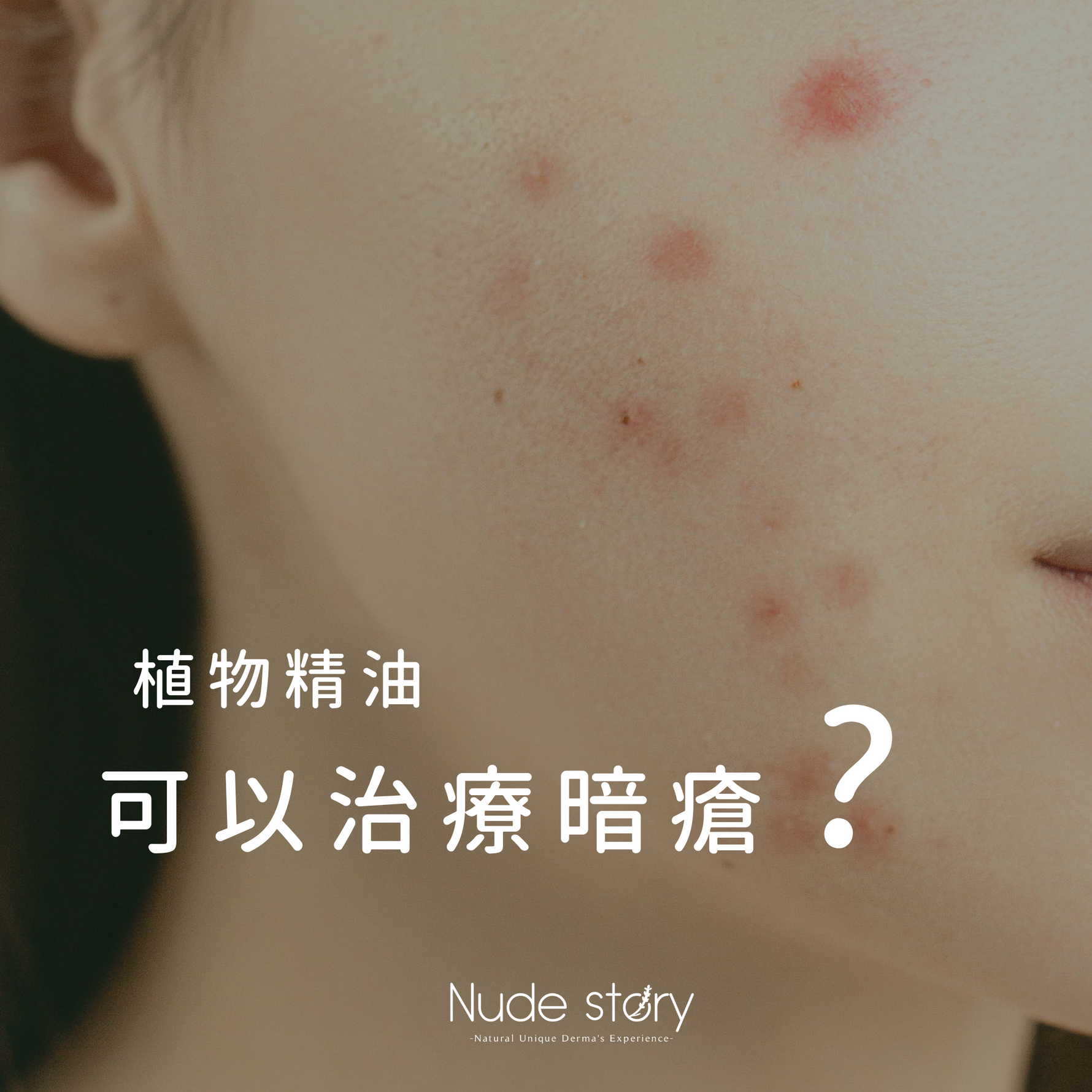
Can essential oils treat acne?
Essential oils are actually secondary metabolites of plants; these compounds are produced by plants for survival.
You read that right! Plants need to survive too!! 🥲
One of the functions of essential oils is a self-defense mechanism for plants, which can ward off harmful microorganisms, insects, or animals.
They protect plants from bacterial infection and help heal wounds. Precisely because essential oils can defend against microorganisms and protect against bacterial infection, different essential oils can provide various benefits and therapeutic properties for the skin, including bactericidal, antibacterial, anti-inflammatory, astringent, and balancing effects, as well as healing wounds and nourishing the skin.
Causes of Acne:
Clogged pores: Thickening of the stratum corneum on the skin surface↓
Excessive sebum activity: Stimulation by androgens leading to abnormal excessive oil secretion↓
Bacterial infection: Sebum accumulation triggers bacterial invasion↓
Inflammatory response: Bacteria break down sebum into fatty acids, which irritate the skin and lead to acne formation.
Which essential oils can treat acne?
Tea tree essential oil: Has excellent purifying effects and is anti-inflammatory and bactericidal. It can rapidly penetrate hair follicles to condition the skin and improve the suppuration of acne. It balances sebum secretion and is extremely helpful for acne-prone and comedonal skin.
True Alpine Lavender essential oil: One of the best anti-inflammatory and calming essential oils, it promotes cell regeneration, maintains sebum balance, and helps prevent scarring while clearing acne.
Manuka essential oil: Possesses antiviral, antifungal, and powerful bactericidal properties, and promotes tissue regeneration.
Myrrh essential oil: Equipped with bactericidal, healing, and anti-inflammatory capabilities to repair damaged skin.
Petitgrain essential oil: Gently and effectively bactericidal, it regulates skin sebum secretion and reduces excessive oiliness. It clears skin blemishes and works synergistically to treat comedones and acne.
Litsea Cubeba essential oil: Antibacterial and acne-fighting, it firms and tightens, improves excessive oil secretion, and balances oily skin types.
How to use essential oils on the face?
DILUTE!! DILUTE!! DILUTE!!!
Essential oils are highly potent ingredients, but because they are so concentrated, never apply them directly to the skin. Instead, add them to a gentle carrier oil or use products containing the relevant essential oil. Carrier oils include olive oil or almond oil. In terms of ratio, for every 1 or 2 drops of essential oil, you should add about 12 drops of carrier oil. Then, you can use a cotton swab to apply it directly to blemished skin. Before using essential oils, it is best to clean and dry the skin. Apply the oil immediately after, followed by a soothing moisturizer. You can use it morning and night to control acne.
When using essential oils, avoid large-scale application and use them primarily as spot treatment, such as for cystic acne. Must be diluted! Be careful as they can cause skin burns.
On the proper use of Tea Tree essential oil
Tea tree essential oil has been used for a long time to fight acne and is widely used. Many people apply tea tree oil directly to acne spots. However, tea tree oil is not suitable for everyone.
The molecular structure of tea tree essential oil is very small, and it possesses anti-inflammatory and antibacterial properties. This allows it to rapidly penetrate pores and enter the deeper layers of the skin, enabling more effective elimination of acne-causing bacteria. Precisely because of its rapid drying effect, it can accelerate pigment deposition, potentially turning into brown or darker acne marks. Tea tree essential oil may cause more inflammation and irritation to sensitive skin, so those with sensitive skin should avoid using it.
Blog
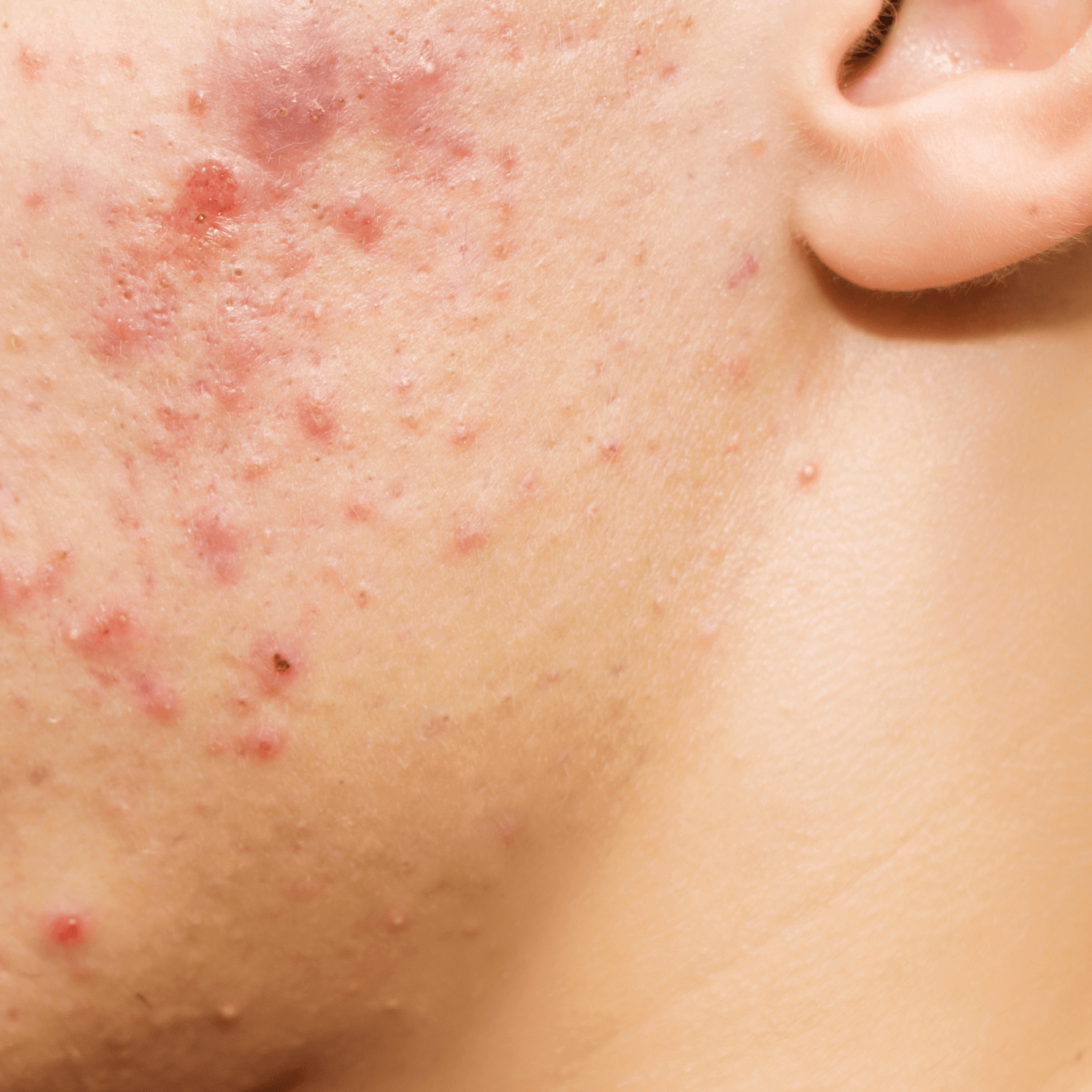
Why do pimples always grow in the same spot?
Acne and Health
The formation of acne is closely related to lifestyle habits. If acne repeatedly appears in the same area, it serves as a warning signal from the body. By observing the location and type of acne, you can infer which part of your body may be experiencing issues and adjust your lifestyle to improve it.
Blog
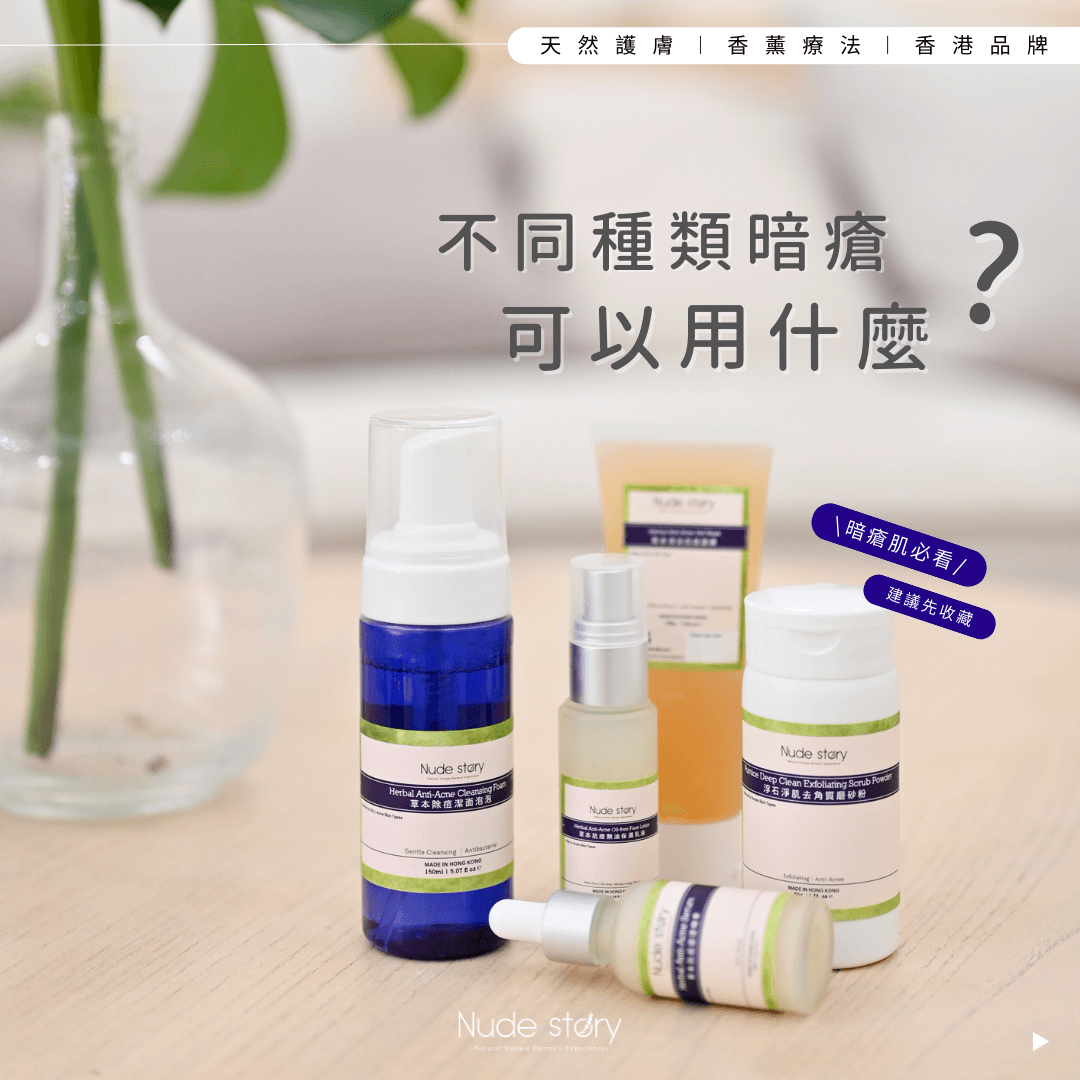
What can be used for different types of acne?
【Thickened stratum corneum, excessive sebum secretion, and clogged pores are all causes of acne.】 Acne is not exclusive to young people with high sebum secretion; in fact, it can also occur in the elderly.