

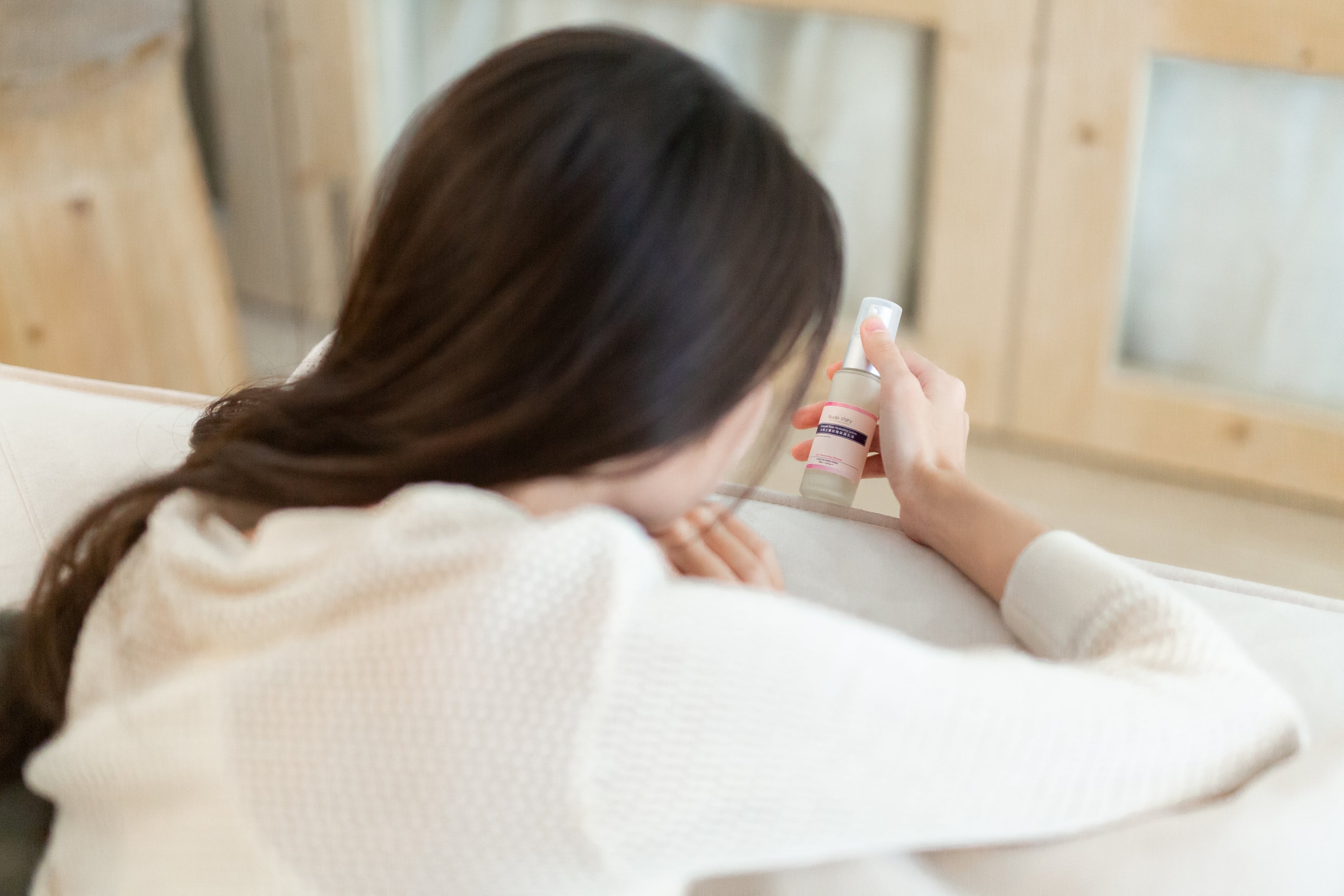
While you may think of stress as just a state of mind, the truth is that "stress" affects your entire body, including the health of your hair, skin, and nails.
Most importantly, if stress is negatively impacting your health and well-being, we encourage you to talk to a trusted friend, family member, therapist, or spiritual advisor. Even just knowing that someone is there can be helpful.
【The Skin-Mind Connection】
- Your body reacts to changes in your mental state; conditions such as stress, depression, and anxiety can lead to the emergence of new skin issues or the flare-up of existing ones.
- When you feel stressed, your sympathetic nervous system releases stress hormones, such as cortisol and adrenaline, into your body.
- Cortisol can cause an increase in oil production in your skin glands, leading to clogged pores and acne breakouts. Chronic stress can keep these hormone levels consistently high, negatively impacting your skin health.
- Mental states can lead to increased internal inflammation. When your body perceives a threat, the immune system triggers a response to address it—this response is inflammation. Normally, inflammation helps protect and heal our bodies from microbes and wounds, but a body under stress can cause the immune system to overreact and trigger an inflammatory response.
- Stress can affect the balance of gut bacteria, which in turn leads to the release of inflammation. Internal inflammation can manifest as skin conditions like acne, eczema, and psoriasis flare-ups.
【How Stress Affects Your Skin】
- The stress hormone cortisol can lead to the overproduction of sebum (oil) in skin glands, causing acne breakouts.
- Stress can impact your immune system, making your skin more sensitive and reactive, and triggering rashes, hives, and redness.
- Stress can exacerbate existing inflammatory skin conditions such as eczema, psoriasis, and rosacea, leading to flare-ups.
- Stress may cause you to feel tense or anxious, leading you to pick at scabs or pimples, or scratch your skin until it becomes red or broken.
【Tips for Keeping Your Skin (and Mind) Stress-Free】
- Maintain a good daily skincare routine, even when you feel too tired or anxious. If stress makes you feel exhausted, you might not want to remove your makeup or wash your face before bed. However, stick to your routine regardless, as neglect can worsen your skin problems.
- Exercise regularly.
- Eat a healthy, balanced diet.
- Get enough sleep. Sleep provides your body with the time it needs to rest and recover, and a good night's sleep can improve your mood, energy levels, and cognition.
- Take some time for yourself. Find time to engage in a relaxing, rejuvenating activity that makes you happy—read a book, take a hot bath, get a massage, listen to music, meditate, or practice yoga and deep breathing exercises.
Most importantly, if stress is negatively impacting your health and well-being, we encourage you to talk to a trusted friend, family member, therapist, or spiritual advisor. Even just knowing that someone is there can be helpful.